The global technology industry has changed as a result of remote work, offering developers all over the world exciting new opportunities. The MEAN Stack, which consists of MongoDB, Express.js, Angular, and Node.js, is one of the most sought-after skills nowadays. Because MEAN Stack developers can use JavaScript for both frontend and backend development to create quick, scalable, and dynamic web applications, businesses favor them. The need for remote full-stack developers is expanding quickly as more companies move to digital platforms.
Flexibility, improved work-life balance, exposure to other countries, and the chance to work on creative projects from anywhere in the world are all benefits of remote MEAN Stack jobs. But it takes more than just technical expertise to find the ideal remote opportunity. FITA Academy supports learners in developing full-stack development skills, coding expertise, problem-solving abilities, project-building techniques, and workplace readiness through practical sessions and mock interviews. Developers need to understand contemporary hiring practices, develop strong portfolios, and enhance their communication skills.
Understanding the MEAN Stack and Industry Demand
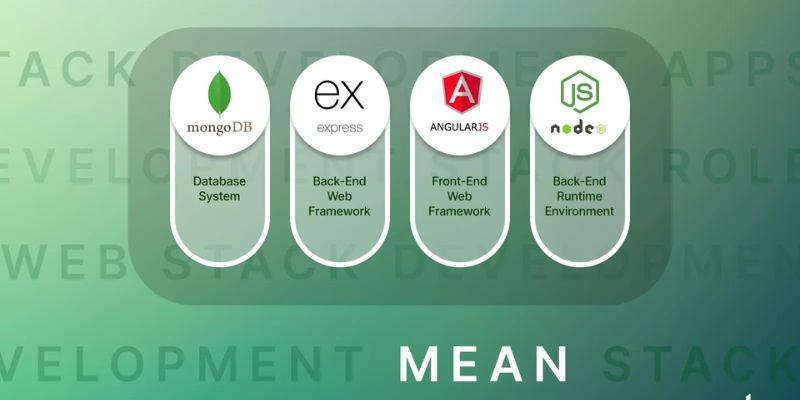
One of the most widely used full-stack development technologies in contemporary web application development is the MEAN Stack. Angular facilitates front-end development, Node.js drives server-side execution, Express.js manages backend frameworks, and MongoDB controls data storage. When combined, these technologies enable developers to effectively use JavaScript to create scalable and high-performance applications. Because MEAN Stack development speeds up development and streamlines project management, many businesses favor it. MEAN Stack developers are frequently hired by startups, e-commerce sites, SaaS providers, and large corporations for remote projects and application development.
Essential Skills Required for Remote MEAN Stack Jobs
One of the most crucial elements in obtaining remote MEAN Stack jobs is technical proficiency. Strong familiarity with JavaScript, Angular, Node.js, Express.js, and MongoDB is required of developers. It’s also critical to comprehend frontend design principles, database management, authentication systems, and REST APIs. Developers with knowledge of Git, cloud platforms, testing frameworks, and deployment procedures are frequently sought after by employers. However, success in remote work requires more than just technical expertise. In remote settings, communication skills, time management, problem-solving abilities, and self-discipline are equally crucial. Developers must communicate effectively during meetings, documentation, and project discussions because remote teams frequently work across time zones.
Building a Strong Portfolio and GitHub Profile
One of the best strategies to draw in recruiters and remote employers is to have a strong portfolio. Instead of depending solely on academic credentials, companies that hire remotely frequently use projects to assess practical skills. Developers should produce portfolio projects that showcase their skills in database management, frontend development, backend integration, authentication systems, and responsive design.
E-commerce websites, task management software, social media applications, and dashboard platforms. Examples of real-world applications that successfully demonstrate technical proficiency. MEAN Stack Training in Chennai offering practical, industry-focused guidance in full-stack development, MongoDB, Express.js, Angular, Node.js, and real-time application development. Recruiters regularly check repositories before setting up interviews, so keeping an active GitHub profile is equally crucial.
Best Platforms for Finding Remote MEAN Stack Jobs
Locating the remote mean Using the appropriate job platforms and networking channels makes stack jobs easier for developers. Full-stack developers can frequently find remote development opportunities on websites like Indeed, Glassdoor, LinkedIn, and Naukri. We Work Remotely, Remote OK, Toptal, and FlexJobs are examples of specialized remote job platforms that concentrate on remote technology roles. Developers can also acquire experience and cultivate client relationships through freelance websites like Upwork and Freelancer. On these platforms, developers should set up professional profiles and update their project portfolios, credentials, and skill sets on a regular basis. The likelihood of successfully locating appropriate remote MEAN Stack positions is increased by regularly applying for relevant roles and participating in online communities.
Creating an Impressive Resume and LinkedIn Profile
The success rate of job applications is greatly increased by a polished CV and an optimized LinkedIn profile. Clarity and relevance are crucial because recruiters frequently only take a few seconds to review resumes. MEAN Stack expertise, project experience, certifications, internships, and technical accomplishments should all be prominently displayed by developers. Credibility is increased by including quantifiable achievements like finished applications or enhanced performance metrics.
It is also important to discuss skills related to remote work, such as project management, communication, and collaboration tools. Professional summaries, links to portfolios, GitHub repositories, and technical endorsements should all be included in LinkedIn profiles. B School in Chennai can significantly boost your career readiness and employability by enhancing your full-stack development skills, database management knowledge, front-end and back-end programming expertise, and overall technical communication, enabling you to confidently build dynamic web applications using the MEAN Stack.
Preparing for Technical Interviews and Coding Assessments
Technical evaluations, coding challenges, and virtual interviews are common components of remote MEAN Stack job interviews. Data structures, algorithms, JavaScript concepts, database queries, and API development should all be regularly practiced by developers in order to get ready. Coding and problem-solving skills are enhanced by platforms such as LeetCode, HackerRank, and Codewars. During technical rounds, employers may also ask candidates to debug existing code or create small applications. It is possible to confidently respond to real-world development questions by having a solid understanding of project architecture, authentication techniques, and deployment procedures. Being well-prepared boosts one’s performance in interviews and increases the likelihood of landing remote development jobs.
Improving Productivity and Collaboration While Working Remotely
It takes self-control, planning, and excellent teamwork to work remotely. Dedicated workspaces that reduce distractions and promote productivity should be established by developers. Asana, Trello, and Jira are examples of project management tools that facilitate effective task and deadline tracking. Collaboration with remote teams is enhanced by communication platforms like Zoom, Microsoft Teams, and Slack. Because remote developers frequently handle several tasks on their own, time management is particularly crucial. What is the MEAN stack’s future in web app development we have seen in this blog. Focus and consistency can be enhanced by establishing daily objectives and upholding organized work schedules. Because remote teams primarily rely on written communication for project updates and technical explanations, developers should also practice effective documentation.
Common Mistakes to Avoid During Remote Job Applications
Due to preventable errors made during the application process, many developers find it difficult to land remote jobs. Applying for jobs without tailoring resumes or cover letters to particular roles is a common error. Recruiters are frequently uninterested in generic applications. Weak portfolios with inadequate documentation or real-world projects are another error. Even though teamwork and communication are crucial in remote settings, some applicants also overlook soft skills. Success rates can also be lowered by applying for too many unrelated jobs without concentrating on opportunities that are relevant. Because technical interviews frequently reveal actual experience levels quickly, developers should refrain from inflating their skills.
Final Report
For developers looking for flexibility, international exposure, and long-term career advancement, remote MEAN Stack jobs present fantastic opportunities. The need for qualified full-stack developers is still high across all industries as companies continue to use digital solutions. Developers can increase their chances of landing fulfilling remote jobs by learning MEAN Stack technologies, creating solid portfolios, optimizing resumes, and thoroughly preparing for interviews. A solid foundation for success in remote work is created by combining technical proficiency with collaboration, productivity, and communication abilities.